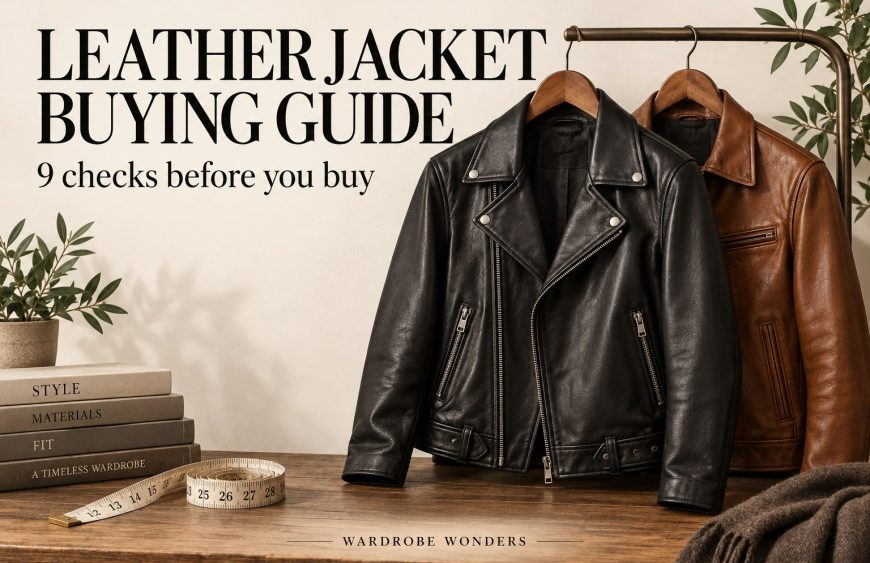
A great-looking jacket can still be the wrong purchase if the sleeves are too long, the lining is too warm, or the return terms do not suit your needs. This leather jacket buying guide helps US shoppers compare the details that matter before ordering online.
Start with your everyday routine, then check the material, measurements, construction, and total cost. Whether you are buying your first leather jacket or replacing an old favorite, the goal is simple: choose a jacket you can wear comfortably with clothes you already own.
Leather Jacket Buying Guide: The Quick Checklist
- Purpose: Decide when, where, and over which layers you will wear it.
- Material: Read the shell description rather than judging from photos alone.
- Size: Compare the product’s measurements with your body or a jacket that fits, as the chart directs.
- Comfort: Check shoulder movement, sleeve length, lining, and pocket placement.
- Value: Review the complete price, delivery estimate, and return conditions.
1. Choose Your Everyday Use Before Your Jacket Style
First, picture a normal week. A jacket for short walks and weekend dinners has different priorities from one you wear on a long outdoor commute. Write down your most common outfit and the layer you expect to wear underneath.
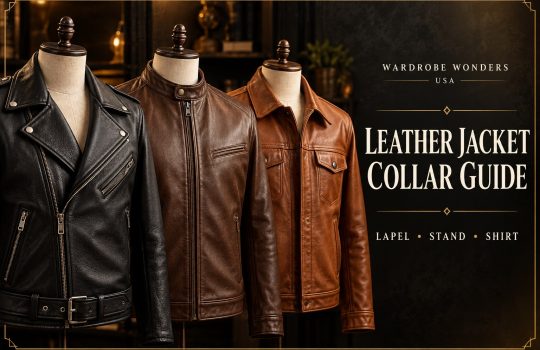
For a simple casual wardrobe, a bomber shape is an easy starting point. If you prefer defined lapels and visible hardware, consider a biker style. A cleaner zip-front design may suit someone who wants minimal detail.
Our bomber vs biker leather jacket comparison explains those silhouettes in more detail. Choose the shape for your routine before getting distracted by a sale price.
2. Read the Material Description Carefully
Next, look for a clear description of the outer shell. A product photo cannot reliably tell you the leather type, thickness, finish, or how the jacket feels in person. Ask for missing details before ordering.
Cowhide often feels more substantial, while sheepskin often feels softer and lighter. However, tanning, thickness, and finishing can change both. The hide name alone does not tell you the jacket’s warmth or overall quality.
Use our cowhide vs sheepskin guide to narrow your preference. Then compare the specific product description rather than assuming every jacket made from the same leather will feel identical.
Also separate the shell from the lining. A leather outer with a fabric lining is different from a wool-lined or insulated jacket. Each detail affects how the finished garment fits into your wardrobe.
3. Check US Sizing Against Actual Measurements
A familiar size label is only a starting point. A medium in one cut may fit differently from a medium in another. Before choosing a size, find out whether the chart lists body measurements or finished garment measurements.
- Body chart: Measure yourself as instructed, keeping the tape level without pulling it tight.
- Garment chart: Measure a comparable jacket that fits well using the same points shown in the chart.
- Units: Keep inches and centimeters consistent. One inch equals 2.54 centimeters.
- Layers: Allow for the sweater or shirt you actually plan to wear, following the seller’s fit guidance.
For example, a jacket measuring 22 inches across the chest while laid flat is approximately 44 inches around at that point. That is a garment measurement, not a recommendation for a 44-inch body chest. The wearer still needs room to move.
Our US leather jacket fit guide covers shoulders, sleeves, chest room, and length. If you fall between sizes, ask for advice using your measurements and preferred layering. Do not assume that sizing up always solves the problem.
4. Match the Lining to Your Local Weather
A useful leather jacket buying guide should account for where you live. US weather varies widely, so choose around your actual conditions and time outdoors.
For mild days, a lighter lining may be easier to wear over a tee or thin knit. For cooler conditions, look at insulation and space for layers. A leather shell alone does not establish that a jacket is suitable for freezing weather.
Think about your destination, too. A heavily lined jacket that feels comfortable outside may feel bulky when you carry it around heated stores or an office. If you often move between indoors and outdoors, removable layers can offer more flexibility.
Finally, check the manufacturer’s care and weather guidance. Do not assume an everyday leather jacket is waterproof simply because it has a sturdy shell.
5. Inspect Stitching, Zippers, and Everyday Details
Close-up photos can help you compare construction, although they cannot replace an in-person check. Look for even seams, tidy edges, secure-looking pocket openings, and a lining that sits smoothly.
Ask whether the pockets close if you use them for small essentials. Consider whether the cuffs adjust, whether the collar sits comfortably, and whether the zipper is easy to operate. These small details matter when you wear a jacket frequently.
When the jacket arrives, try it on indoors over your usual layer. Zip it, sit down, and reach forward. Check for pulling across the back, restricted upper arms, or sleeves that ride too far up. Keep tags attached while assessing the fit under the seller’s return conditions.
6. Pick a Color That Works With Three Outfits
Before choosing a color, build three outfits from your own closet. Include the pants, shoes, and shirt or knitwear you would wear most often. A jacket becomes easier to use when those combinations already work.
Black pairs easily with charcoal, white, and dark denim. Brown offers another option with blue jeans, cream, olive, and navy. Neither is automatically more versatile; the better choice depends on your wardrobe.
See our black vs brown leather jacket guide for a closer comparison. For complete outfit formulas, explore seven leather jacket outfits for fall.
7. Compare Value Beyond the Discount
Set a comfortable budget, then compare jackets with similar materials, lining, and construction. A large discount is less useful if the jacket does not suit your climate or fit your shoulders.
Cost per wear can help you think through the choice. As an illustration, a $300 jacket worn 100 times costs $3 per wear before care expenses. This is a planning example, not a product price or a guarantee of lifespan.
Also check the currency at checkout, any applicable tax, shipping charges, and potential return costs. For a gift or trip, compare the delivery estimate with the date you actually need the jacket.
8. Review Delivery and Returns Before Ordering
Before paying, read the current shipping and return pages. Confirm the delivery destination, processing time, return window, item-condition requirements, and who pays return shipping. Check whether sale or custom items have different terms.
If a promotional banner and a policy page give different information, ask the store to clarify it in writing. Save your order confirmation and the product details relevant to your purchase.
The Federal Trade Commission’s online shopping guidance also recommends reviewing delivery and refund policies, including return shipping costs. Those checks are especially useful when buying clothing you cannot try on first.
9. Make Sure the Care Routine Fits Your Lifestyle
Read the garment’s care instructions before using cleaners, conditioners, or protective sprays. A product intended for one leather finish may not suit another. If the instructions are unclear, ask the seller or a leather-care specialist.
Also think about storage. Make room to hang the jacket without crushing it between other clothes. If it needs specialist cleaning, include that possibility in your long-term budget.
Comfort, care, and repeat use belong in the same decision. The best choice for you is one you enjoy wearing and can maintain according to its instructions.
Leather Jacket Buying Guide FAQs
What should I look for when buying my first leather jacket?
Start with fit, a clearly described material, and a style that works with several outfits. Then check the lining, closures, delivery estimate, and return conditions. Those basics matter more than choosing the most detailed design.
Should I size up when buying a leather jacket online?
Not automatically. Compare the product’s size chart with the correct body or garment measurements. If you plan to wear thick layers, ask the seller which size provides enough room without making the shoulders and sleeves too large.
Can one leather jacket work for every US season?
That depends on your location, the lining, and how long you spend outside. A light jacket may work across several mild seasons, while hot summers and freezing winters can require different outerwear. Check the forecast and product details.
Is the most expensive leather jacket always the best choice?
No. Price alone cannot tell you whether the fit, weight, or design suits your needs. Compare specific materials and construction details within your budget, and choose the jacket you expect to wear regularly.
Find a Jacket That Fits Your Life
Use this leather jacket buying guide to make a shortlist: choose your style, verify measurements, check the lining, and review the order terms. Then compare the details that will matter after the first wear.
Explore Wardrobe Wonders’ men’s leather jackets and women’s leather jackets to compare available styles. If you need help with a product’s measurements or specifications, contact our team before placing your order.